Iron ore mines are the sites where iron ore, the primary raw material for steel, is extracted from the Earth. These are massive industrial complexes that typically operate on a colossal scale, demanding significant investment in infrastructure, machinery, and technology. Iron ore mines are the starting point of the global steel supply chain, directly influencing the iron ore market and the overall availability of this crucial metal.
Where Are the World’s Largest Iron Ore Mines?
The vast majority of the world’s iron ore comes from a handful of very large mines, predominantly located in regions known for their extensive geological deposits. These areas, found in countries that are major iron ore suppliers, are characterized by their ability to support operations that move immense volumes of material efficiently.
While Spain has a historical legacy of iron ore mining, current domestic iron ore production is very limited compared to global output. Spanish steel mills are therefore largely dependent on iron ore imports from major international iron ore sellers.
How Do Iron Ore Mines Operate?
Most iron ore mines utilize open-pit mining due to the typically large, near-surface deposits of iron ore. The process generally involves:
- Exploration and Planning: Geologists identify viable iron ore deposits, and engineers design the mine plan, considering factors like ore quality, volume, and environmental impact.
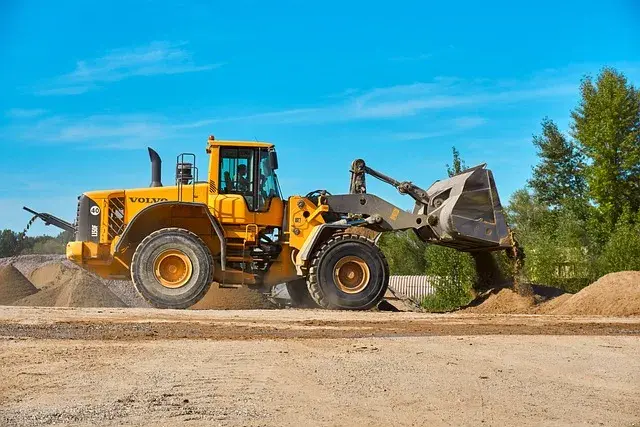
- Overburden Removal: The layer of soil and non-ore rock (overburden) covering the iron ore deposit is removed using large machinery.
- Drilling and Blasting: Hard iron ore formations are drilled and then blasted with explosives to break the rock into manageable sizes.
- Loading and Hauling: Giant electric shovels and massive dump trucks load and transport the blasted iron ore from the pit to crushing facilities.
- Crushing and Processing (Beneficiation): At the processing plant, the iron ore undergoes multiple stages of crushing and grinding to reduce its size. It then goes through beneficiation processes (like magnetic separation or flotation) to increase its iron content and remove impurities (gangue).
- Aglomeration (Pelletizing or Sintering): Often, the fine iron ore concentrate is then agglomerated into larger, more uniform forms like pellets or sinter, which are more suitable for blast furnaces or direct reduction processes in steel mills.
- Transportation: The processed iron ore is then transported by rail, conveyor belts, or trucks to port facilities, where it’s loaded onto bulk carriers for international shipment to iron ore buyers.
Environmental and Social Impacts of Iron Ore Mines
While essential for industry, iron ore mines can have significant environmental and social impacts. Iron ore suppliers are increasingly investing in sustainable practices to mitigate these effects:
- Land Degradation: Large-scale open-pit mining drastically alters landscapes, requiring the clearing of vegetation and removal of vast amounts of earth. Reclamation and rehabilitation efforts are crucial.
- Water Management: Mine operations require careful water management to prevent contamination of local water sources and to ensure efficient water usage, especially in arid regions.
- Air Quality: Dust emissions from blasting, crushing, and transportation, as well as emissions from heavy machinery, are managed through various controls to minimize impact on air quality.
- Biodiversity: Protecting local ecosystems and biodiversity is a key focus, with efforts to minimize habitat destruction and promote restoration.
- Tailings Management: The safe and responsible management of mine tailings (waste material from processing) is a critical concern, with strict protocols to prevent environmental incidents.
- Social Impacts: Mines engage closely with local communities to manage impacts such as noise, dust, and changes in land use. Contributing to local socio-economic development and ensuring fair engagement with stakeholders are vital.
Iron ore mines are powerful engines of economic activity, but their continued operation demands a strong commitment to environmental stewardship and social responsibility to ensure a sustainable future for the steel industry.
Considering the global push for decarbonization, how do you think iron ore mines might change their operational practices or product offerings in the coming years to meet the evolving demands of iron ore buyers?
For more information, visit: iron ore
Leave a Reply