Aluminum ore mining refers specifically to the process of bauxite mining. This is because aluminum metal itself is not found in its pure form in nature; it is extracted from bauxite, which is its primary ore. Therefore, when discussing “aluminum ore mining,” we are detailing the operations involved in the extraction and initial processing of bauxite.
This process is the absolutely essential starting point for global aluminum production, a versatile, lightweight metal fundamental to industries like automotive, construction, aerospace, and packaging.
What is Bauxite and Why is its Mining so Crucial?
Bauxite isn’t a single mineral but rather a heterogeneous sedimentary rock. It’s rich in aluminum hydroxide minerals, along with varying amounts of silica, iron oxide, titania, and other impurities. It typically forms in tropical and subtropical climates through intense weathering of underlying rocks, which explains why the largest bauxite mines are concentrated in these regions.
The mining of bauxite is crucial because it is the most abundant and economically viable source for obtaining alumina (aluminum oxide, Al₂O₃). Alumina is the pure white powder that, after a refining process, is fed into aluminum smelters to produce pure aluminum metal. Without aluminum ore mining, current scale aluminum production would be impossible.
Extraction Methods in Aluminum Ore Mining (Bauxite Mining)
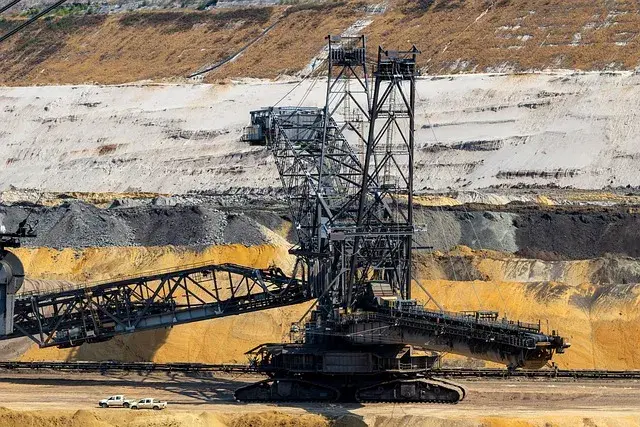
Bauxite mining is predominantly carried out using open-pit mining methods. This approach is feasible because bauxite deposits are often found relatively close to the surface. The typical operational process in aluminum ore mining includes several stages:
- Exploration and Planning: Before mining begins, detailed geological surveys are conducted to identify and quantify bauxite deposits. This involves drilling to assess the quality (crucially, alumina and reactive silica content) and volume of the ore. Meticulous planning is vital for both operational efficiency and environmental sustainability.
- Site Preparation: First, surface vegetation is cleared. Then, the overlying layers of soil and rock (known as overburden) are removed to expose the bauxite deposit. Both vegetation and topsoil are often carefully segregated and stored for future land rehabilitation.
- Ore Extraction: Bauxite is generally a relatively soft mineral. This allows it to be directly excavated using heavy machinery such as excavators and loaders, which then load the ore into large haul trucks. Unlike harder ores such as iron ore, the need for drilling and blasting is significantly reduced or even eliminated in bauxite mining.
- Inland Transportation: The extracted aluminum ore is transported from the mine face to a primary processing plant, usually located nearby.
- Preliminary Processing (Beneficiation): At this stage, the bauxite undergoes initial preparation before shipment to alumina refineries. Common processes include:
- Crushing and Screening: To reduce the particle size and remove oversized material and coarse impurities.
- Washing: Bauxite is frequently washed to remove clays and other undesirable fines, which improves the quality of the ore.
- Drying: Moisture content is often reduced, optimizing transportation efficiency and improving the quality for the subsequent refining process.
- Transportation to Export Ports: Once processed, the bulk aluminum ore is transported in vast quantities from the bauxite mines to designated export ports. This is commonly done via high-capacity rail lines, conveyor belt systems, or, to a lesser extent, barges or trucks. At the ports, the ore is loaded onto large bulk carriers for ocean transport to aluminum ore buyers around the world.
Challenges and Sustainability in Aluminum Ore Mining
Aluminum ore mining (bauxite mining) is a large-scale activity with significant environmental and social impacts. This has led to an increasing focus on sustainable practices across the industry:
- Environmental Impact: Open-pit mining can cause deforestation, landscape alteration, and, if not managed properly, water and soil contamination. Mining companies must adhere to strict environmental regulations and conduct thorough impact assessments.
- Land Rehabilitation: A core commitment for modern aluminum ore mining operations is post-mining land rehabilitation. This involves reshaping the topography, reconstructing topsoil, and replanting native vegetation, often aiming to return the land to its original state or to a productive alternative use (such as agriculture or forestry).
- Water Management: Responsible water management is crucial to minimize consumption and prevent contamination of local water sources.
- Waste Management: Managing the waste products from bauxite processing, such as “red mud” (a residue from the Bayer process in alumina refineries), is a critical technical and environmental challenge requiring secure, long-term storage solutions.
- Social Impact and Community Relations: Mining operations must ensure benefits for local communities, create employment, respect human rights, and maintain ongoing dialogue with stakeholders.
In Spain, there is no significant aluminum ore mining activity currently taking place. This means that the Spanish aluminum industry, a relevant player in Europe, relies entirely on importing bauxite from the world’s major bauxite mines located in countries like Australia, Guinea, or Brazil. Spanish companies are important aluminum ore buyers in the international market, with an increasing focus on the traceability and sustainability of their supply sources.
For more detailed information on this essential mineral, you can visit our page on aluminum ore.
Leave a Reply