Iron miners are the companies or entities dedicated to the extraction and initial processing of iron ore from the Earth. They are the origin point of the global steel supply chain, transforming natural geological deposits into the essential raw material required by iron smelters and steel mills worldwide. Operating on a vast scale, iron miners represent a cornerstone of the global economy, directly influencing the iron ore market.
Who Are the Iron Miners?
The global landscape of iron miners is dominated by a few very large-scale operations, primarily located in countries with significant iron ore reserves. These iron miners invest billions in exploration, mine development, and infrastructure.
While global giants account for the majority of seaborne iron ore, there are also smaller or regional iron miners that serve domestic markets or specific industrial needs. In Spain, historical iron ore mining has a rich past, but the current contribution of domestic iron miners to global or even national supply is very limited. Therefore, steel production in Spain relies heavily on iron ore imports from international iron ore suppliers.
The Process Undertaken by Iron Miners
Iron miners follow a systematic process to extract and prepare iron ore for the market:
- Exploration and Resource Definition: Before mining begins, iron miners conduct extensive geological surveys and drilling to identify and quantify iron ore deposits, assessing their quality, size, and accessibility.
- Mine Development and Infrastructure: Once a viable deposit is found, iron miners invest heavily in developing the mine site. This includes building access roads, processing plants, power and water supply, and often dedicated rail lines to transport the ore to port.
- Extraction (Mining):
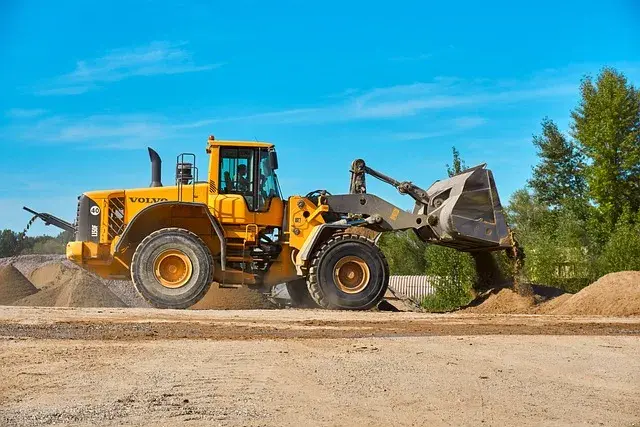
- Open-Pit Mining: This is the predominant method used by iron miners due to the typically large, near-surface deposits of iron ore. It involves removing overburden (waste rock and soil) and then drilling, blasting, loading, and hauling the iron ore from the pit using massive equipment like excavators and haul trucks.
- Underground Mining: Less common for iron ore, this method is used by some iron miners for deeper, high-grade deposits where open-pit mining is not economically viable.
- Processing (Beneficiation): After extraction, iron miners process the raw iron ore to increase its iron content and remove impurities. This stage is crucial for meeting the specifications of iron ore buyers.
- Crushing and Grinding: Reducing the ore to finer particles.
- Concentration: Using techniques like magnetic separation (for magnetite), flotation, or gravity separation to separate iron-rich particles from waste material.
- Aglomeration (Optional but Common): Many iron miners further process the fine iron ore concentrate into agglomerated forms that are more suitable for steelmaking furnaces.
- Pelletizing: Creating uniform, hardened pellets. These are a premium product.
- Sintering: Fusing fines into a porous material called sinter.
- Transportation and Logistics: The final product is transported from the mine to port facilities, typically via dedicated rail systems or conveyor belts. At the port, it’s loaded onto large bulk carriers for shipment to iron ore importers worldwide.
Responsibilities and Challenges for Iron Miners
Iron miners operate under significant responsibilities and face numerous challenges:
- Environmental Stewardship: They must manage the environmental impact of mining, including land disturbance, water usage and quality, dust emissions, and biodiversity conservation. Rehabilitation of mined land is a key responsibility.
- Social License to Operate: Iron miners must maintain positive relationships with local communities, address social impacts, contribute to local development, and ensure safe working conditions for their employees.
- Market Volatility: The iron ore price is highly volatile, constantly influenced by global demand (especially from China) and supply disruptions. Iron miners must employ robust risk management strategies.
- Decarbonization Pressure: The global drive to reduce carbon emissions in the steel industry places increasing demands on iron miners to produce higher-grade iron ore that requires less energy in steelmaking, and to reduce emissions from their own operations.
- Capital Intensity: Iron ore mining requires massive upfront capital investment, making it a business for large, financially robust entities.
Iron miners are the foundational suppliers that literally dig out the raw material for modern civilization, constantly striving for efficiency, sustainability, and market responsiveness.
For more information, visit: iron ore
Leave a Reply