Iron mines are the industrial sites where iron ore is extracted from the Earth. These massive operations are the starting point for producing steel, a material vital for construction, infrastructure, automotive industries, and countless manufactured goods worldwide. Operating on an enormous scale, iron mines require significant investment in technology, machinery, and logistics, playing a fundamental role in the global economy.
Location of Major Iron Mines
The world’s largest and most productive iron mines are concentrated in regions rich in extensive iron ore deposits, particularly in a few key countries:
- Australia: The Pilbara region in Western Australia is home to vast iron mines, known for their high-quality ore and efficient operations.
- Brazil: This country hosts some of the largest iron ore complexes globally, characterized by immense production capacities.
While other nations also have iron mines, their output is generally smaller compared to these leading producers. In Spain, historical iron mines existed, but current domestic iron ore production is very limited. Consequently, Spanish steel producers largely depend on iron ore imports from international iron ore suppliers.
How Iron Mines Operate
Most iron mines utilize open-pit mining methods, as iron ore deposits are often large and found relatively close to the surface. The process involves several key stages:
- Exploration and Planning: Geologists identify and assess viable iron ore deposits. Engineers then design the mine layout, considering ore quality, volume, and environmental factors.
- Overburden Removal: Layers of soil and rock that do not contain iron ore are removed to expose the ore body.
- Drilling and Blasting: Hard iron ore formations are drilled and then blasted with explosives to break them into manageable pieces.
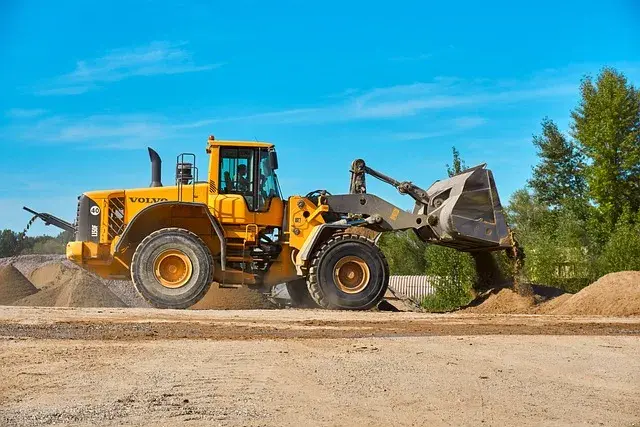
- Loading and Hauling: Large-scale equipment, such as giant shovels and massive trucks, loads and transports the blasted iron ore from the pit to processing facilities.
- Crushing and Processing: The iron ore undergoes multiple stages of crushing and grinding to reduce its size and liberate the iron from impurities (gangue). It then goes through beneficiation processes, like magnetic separation or flotation, to increase its iron content.
- Aglomeration (Optional): Often, the fine iron ore concentrate is further processed into larger, more uniform shapes like pellets or sinter. These forms are preferred by steel mills for their consistency and efficiency in blast furnaces or direct reduction processes.
- Transportation: The processed iron ore is transported, typically by extensive rail networks or conveyor belts, to port facilities. Here, it’s loaded onto bulk carriers for shipment to iron ore buyers worldwide.
Environmental and Social Responsibilities of Iron Mines
Operating iron mines involves significant environmental and social considerations. Iron ore suppliers are increasingly focused on sustainable practices to mitigate these impacts:
- Environmental Management: This includes rigorous water management to prevent contamination and conserve resources, erosion control, and the rehabilitation of mined land to restore ecosystems. Efforts are also made to reduce dust and greenhouse gas emissions.
- Social Responsibility: Engaging effectively with local communities is crucial. This involves ensuring worker safety, contributing to local socio-economic development, and transparently managing impacts like noise and changes in land use.
Iron mines are powerful economic drivers, but their long-term viability increasingly depends on a strong commitment to environmental stewardship and social responsibility.
How do you think automation and artificial intelligence could further enhance the efficiency and sustainability of iron mines in the future?
For more information, visit: iron ore
Leave a Reply