Iron ore mining is the industrial process of extracting and beneficiating iron ore, the essential raw material for steel manufacturing. This activity forms the bedrock of numerous industries, from construction and automotive to machinery and global infrastructure. It’s a large-scale, technologically advanced operation that underpins a significant portion of the world’s economy.
Primary Methods in Iron Ore Mining
Iron ore mining primarily employs two methods, chosen based on the deposit’s geology and depth:
- Open-Pit Mining: This is by far the most common method for iron ore, as most deposits are vast and located relatively close to the surface.
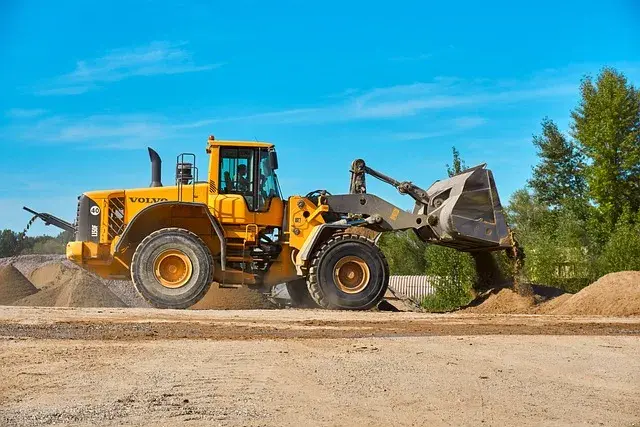
- Process: It involves removing massive volumes of overlying soil and non-ore rock (overburden) to expose the iron ore body. Large equipment like electric shovels, giant front-end loaders, and high-capacity haul trucks are used. Drilling and blasting are often required to fragment the rock before excavation.
- Advantages: This method allows for the efficient extraction of large volumes of iron ore at lower operating costs compared to underground mining.
- Underground Mining: Less frequent for iron ore, this method is used when deposits are deep below the surface and open-pit mining isn’t feasible or economical.
- Process: It involves creating tunnels and shafts to access the underground iron ore. The ore is then extracted and brought to the surface through a system of lifts or ramps.
- Considerations: This method is generally more costly, complex, and presents greater challenges in terms of safety, ventilation, and logistics.
Processing Iron Ore After Extraction
Once extracted, raw iron ore typically undergoes processing to increase its iron concentration and prepare it for use in foundries and steel mills:
- Crushing and Grinding: The ore’s size is reduced in multiple stages, from large rocks to fine particles, which helps liberate the iron from impurities (gangue).
- Beneficiation (Concentration): This crucial step increases the iron content. Various techniques, such as magnetic separation (for magnetite ores), flotation, or gravity separation, are used to separate the valuable iron ore from unwanted materials.
- Aglomeration: Fine iron ore concentrates often need to be agglomerated to improve their physical and chemical properties, making them more suitable for steelmaking furnaces. Common forms of agglomeration include:
- Pelletizing: Fine concentrate is formed into small, uniform spheres (pellets) and then hardened by firing. These pellets are highly valued for their high iron content and consistency.
- Sintering: Iron ore fines are mixed with fluxing agents and fuel, then heated to form a porous, fused material called “sinter.”
Environmental and Social Aspects of Iron Ore Mining
While essential for modern industry, iron ore mining has significant environmental and social considerations. Companies involved in iron ore mining are increasingly focused on adopting more sustainable practices:
- Environmental Management: This includes rigorous water management (e.g., recycling, preventing contamination), erosion control, and the rehabilitation of mined land to restore ecosystems. Measures are also taken to reduce dust and greenhouse gas emissions from operations.
- Social Responsibility: Engaging effectively with local communities is paramount. This involves ensuring the safety and well-being of workers, contributing to local socio-economic development, and managing impacts like noise and land use changes transparently.
- Technological Innovation: Investments in advanced technologies like automation (e.g., autonomous haul trucks), digitalization (e.g., sensors, data analytics for optimization), and the use of renewable energy sources are key to improving efficiency, safety, and reducing the environmental footprint of iron ore mining.
In Spain, although there’s a historical legacy of iron ore mining, current domestic production is very limited. Therefore, Spanish steel producers largely rely on imported iron ore to meet their needs.
Iron ore mining is an evolving industry, constantly adapting to global market demands and the increasing emphasis on sustainability. Its role remains indispensable for industrial progress and the construction of our modern world.
How do you think future advancements in carbon capture and storage technologies might influence the long-term sustainability profile of iron ore mining operations?
For more information, visit: iron ore
Leave a Reply